Jeep Performance Upgrades: Building a Montana-Proof Rig Without Sacrificing Daily Driveability
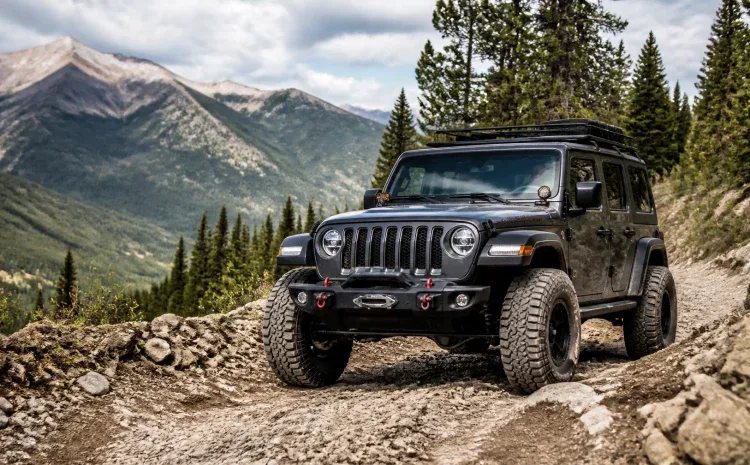
Living in Western Montana, your Jeep isn’t just a vehicle: it’s a pass to the backcountry. Whether you’re navigating the switchbacks of Skalkaho Pass or heading out for a weekend of camping near Stevensville, you need a rig that can handle the rocks and ruts. But for most of us, that same Jeep has to haul groceries, drop the kids at school, and handle 70 mph on the highway without feeling like you’re wrestling a bear.
The “death wobble,” vague steering, and sluggish acceleration that often come with jeep performance upgrades aren’t just annoying; they’re avoidable. Building a Montana-proof rig means finding the sweet spot where trail capability meets daily driveability. Here is how we balance suspension geometry and heat management to keep your Jeep reliable on the pavement and unstoppable on the trail.
The Geometry of a Better Ride
When most people think of lifting a Jeep, they think of ground clearance. While a 3-inch or 4-inch lift gets your belly over the boulders, it also changes the fundamental relationship between your axle and your frame. This is where most DIY builds go wrong.
Balancing Caster and Pinion Angle
Caster is the angle of your steering pivot point. On a stock Jeep, it’s set to give you that “return-to-center” feel after a turn and keep the vehicle tracking straight on the highway. When you lift a Jeep, the front axle rotates, usually decreasing your caster. This leads to “flighty” steering where the Jeep feels like it’s wandering across the lane.
However, you can’t just rotate the axle back indefinitely. Doing so affects your pinion angle: the angle at which your driveshaft meets the differential. If the pinion angle is too steep, you’ll deal with nasty driveline vibrations that eat through U-joints. For drivers in Western Montana who frequently hit highway speeds between towns, we prioritize a caster angle of around 4 to 5 degrees. It’s the “happy spot” that maintains stability without killing your drivetrain.
Track Bars and Steering Alignment
If you’ve ever hit a pothole and felt the steering wheel jerk in your hand, you’ve experienced bump steer. This happens when your track bar and your drag link are no longer parallel. At our 4×4 off road shops, we use adjustable track bars to re-center the axle under the frame. This ensures that as your suspension cycles up and down on a rough Montana logging road, your steering stays predictable and straight.

Keeping Your Cool on the Mountain Passes
Western Montana is known for its elevation changes. Pulling a long grade like Lost Trail or Lolo Pass puts a massive thermal load on your engine and transmission, especially if you’re running 35-inch or 37-inch tires. Heat is the number one killer of automatic transmissions and engine longevity.
High-Efficiency Cooling Systems
The factory cooling system is usually “just enough” for a stock Jeep. Once you add heavy steel bumpers, a winch that blocks airflow, and larger tires that force the engine to work harder, “just enough” isn’t going to cut it. Upgrading to a heavy-duty aluminum radiator with a higher fin density can significantly improve heat rejection.
For those with automatic transmissions, an auxiliary transmission cooler is a non-negotiable upgrade. By keeping those fluid temps down during a slow, technical crawl or a steep highway climb, you’re extending the life of your Jeep by years.
Under-Hood Airflow
Slow-speed crawling in the summer heat creates a pocket of stagnant, hot air under the hood. Adding functional hood louvers or fender vents allows that heat to escape, reducing the “heat soak” that can affect your electronics and battery life. It’s a simple upgrade that makes a world of difference when you’re miles away from the nearest western montana 4×4 service center.
Re-Gearing: The Unsung Hero of Driveability
If your Jeep feels like a “dog” on the highway or constantly hunts for gears, the problem isn’t your engine: it’s your gearing. When you put on larger tires, you effectively change your final drive ratio. Your engine has to work much harder to turn those heavy tires, which kills your fuel economy and makes mountain driving a chore.
Re-gearing your differentials to match your tire size brings your engine back into its optimal power band. It gives you back your low-end torque for crawling and ensures your transmission can actually stay in top gear on the highway. It’s one of the most impactful performance and drivetrain upgrades you can make for a dual-purpose rig.
Build It Once, Build It Right
A Jeep that’s built for Montana should be a joy to drive, not a chore. By focusing on the math: the caster, the pinion angles, and the gear ratios: you can have a rig that’s just as comfortable on the streets of Missoula as it is on a remote ridge line in the Bitterroot.
At Way Maker Offroad, we don’t just bolt on parts; we engineer solutions. As outdoor enthusiasts ourselves, we know exactly what it takes to make a vehicle survive our local terrain. Whether you need a full suspension overhaul or routine maintenance to keep your daily driver in peak condition, we’re here to help.
Ready to transform your ride? Stop by our shop near Stevensville or check out our full list of services to see how we can get your Jeep ready for its next adventure.