The 2026 Overlanding Shift: Why Simpler, Lighter Rigs Are Beating Million-Dollar Builds
There is a new kind of overlanding rig showing up on Montana trails. It is not covered in every accessory available from a catalog. It does not need a six-figure suspension system, a roof loaded with equipment, or enough electronics to run a small command center.
It is lighter. Simpler. Easier to repair. Most importantly, it is built around getting you where you want to go: and getting you home safely.
That is the 2026 overlanding shift: capability over complexity and function over show. While million-dollar builds still have their place, a well-planned, moderately modified rig is often better suited to the real demands of Western Montana. Long forest roads, loose rock, mud, snow, washboard, steep grades, and limited cell service reward reliability far more than extravagance.
The biggest build is not always the best build
A heavily equipped rig can look impressive in photos. But every bumper, rack, drawer system, refrigerator, battery, water tank, skid plate, and rooftop accessory adds weight. That weight affects acceleration, braking, fuel consumption, suspension performance, and how hard your drivetrain has to work.
It also changes how the vehicle behaves on the trail.
A loaded truck that feels stable on pavement may become top-heavy and difficult to control on uneven terrain. A suspension system designed for a heavy build may perform poorly when the vehicle is carrying less: or may still struggle when the rig is loaded beyond its intended capacity.
In the real world, your truck does not care how good it looks parked at camp. It has to climb, turn, stop, flex, recover, and handle changing conditions without overheating or breaking down.
The goal is not to build the most extreme vehicle possible. The goal is to build a vehicle that matches how you actually travel.
Why lighter rigs perform better on Montana trails
Western Montana gives you plenty of room to explore, but it also gives your rig plenty of ways to get into trouble. A trail can change from hard-packed gravel to deep mud in a short distance. Snow and ice can remain in shaded areas long after the valley has dried out. Remote routes can leave you miles from pavement, tools, or cell service.
A lighter rig has several advantages in those conditions:
- It places less strain on axles, gears, suspension, brakes, and tires.
- It is less likely to sink deeply in mud or soft ground.
- It is easier to maneuver through tight timber and uneven trail sections.
- It puts less demand on the engine and cooling system.
- It is easier to recover if you do get stuck.
- It generally remains more comfortable and predictable on the highway.
Weight management starts before you buy parts. Check your vehicle’s payload rating and gross vehicle weight rating, then account for passengers, fuel, water, food, tools, spare parts, recovery equipment, and camping supplies. A build that looks reasonable in the shop can be overloaded once it is ready for a week in the backcountry.
Build for your trips: not somebody else’s highlight reel
The best overlanding setup is the one that supports your actual use.
If most of your adventures are weekend trips, you may not need a permanent camper, a massive auxiliary fuel system, or a full-size expedition trailer. A sleeping platform, compact topper, organized storage, and dependable recovery equipment may do the job better.
If you regularly travel with several people, carry winter gear, or stay out for extended periods, additional storage and power may make sense. The point is to add equipment because it solves a real problem: not because another rig on social media has it.
Before installing anything, ask yourself:
- Will this improve safety, reliability, comfort, or trail capability?
- How much weight does it add?
- Can I remove it when I do not need it?
- Can I repair or replace it in the field?
- Does my vehicle have the payload and suspension capacity to support it?
If an accessory cannot answer those questions, it may not belong on your rig.
Modular gear is replacing permanent bulk
One of the smartest parts of the 2026 overlanding trend is the move toward modular equipment. Instead of permanently carrying every possible accessory, owners are setting up vehicles that can be configured for a specific trip.
That may mean using removable storage boxes, low-profile crossbars, bed-rack systems, or modular mounting tracks. You can carry bikes for one trip, extra recovery equipment for another, and leave both behind when you are simply exploring a local forest road.
The same approach applies to camp systems. Compact stoves, collapsible water containers, soft storage, lightweight awnings, and portable power stations can provide useful capability without turning your truck into a permanent construction project.
This is where quality overlanding gear and accessories matter. The right equipment should be secure, practical, and compatible with the way you use your vehicle. Professional installation also helps prevent rattles, wiring damage, water leaks, and mounting failures that can become expensive problems later.
Spend your upgrade budget where it counts
A function-first build does not mean leaving your rig completely stock. It means prioritizing upgrades that make a measurable difference.
Tires and wheels
Your tires are your first contact with the trail. Choose them based on load rating, weather, pavement mileage, and the terrain you actually drive.
For mixed Montana use, a quality all-terrain or rugged-terrain tire can offer a useful balance of road manners, snow performance, puncture resistance, and off-road traction. A wheel with more sidewall can also help protect the tire when you air down on rocky terrain.
Fitment matters. Bigger is not automatically better. Oversized tires can reduce performance, increase drivetrain stress, and require additional modifications to avoid rubbing.
Suspension
A lift should solve a clearance or load-support problem: not simply make the truck taller. Quality shocks and properly matched springs can improve control, ride quality, and tire contact on rough trails.
A poorly planned lift can create driveline angles, alignment issues, steering problems, and extra wear. That is why suspension decisions should be made alongside tire size, vehicle weight, intended use, and daily driving requirements.
Gearing and traction
Larger tires change the effective gearing of your vehicle. That can make it feel sluggish, increase transmission hunting, and reduce control on steep grades. In some builds, axle gear upgrades restore the power delivery that was lost when tire size increased.
Lockers can also be valuable when one tire loses traction on uneven or slippery terrain. They are not a substitute for good driving technique, but they can help your rig move through sections where an open differential would spin.
Way Maker Offroad handles performance and drivetrain upgrades with the entire vehicle in mind, including lifts, axle gears, lockers, clutches, and related components.

Recovery gear is more important than luxury gear
A comfortable camp is worthwhile. A reliable recovery setup is essential.
Even a capable rig can get stuck in mud, snow, loose rock, or a deep rut. Carry recovery equipment that matches your vehicle and know how to use it before you need it. Depending on your setup, that may include a winch, recovery points, soft shackles, a recovery strap, traction boards, a shovel, gloves, and an air compressor.
A winch is only as useful as its mounting system, wiring, battery, and recovery technique. Improper attachment points or damaged equipment can turn a routine recovery into a dangerous situation.
It is also smart to travel with a communication plan, extra water, basic tools, food, warm clothing, and a way to navigate without cell service. Getting home safely is part of the build.
And when a trail day goes sideways, experienced off-road recovery services can help you avoid making the situation worse. WAY-MORR Offroad Recovery brings more than 20 years of recovery experience to the job.
Keep the electrical system simple and dependable
Modern overlanding rigs can place heavy demands on the electrical system. Auxiliary lighting, winches, compressors, refrigerators, radios, solar equipment, and charging systems all need proper power and protection.
More equipment means more wiring, more connections, and more potential failure points. Use clean routing, secure mounting, weather-resistant connections, appropriate fusing, and a power system sized for your actual needs.
Do not build your electrical system around the biggest battery or most powerful inverter you can buy. Start with your daily power requirements. A compact, serviceable setup may be all you need for lights, communications, a refrigerator, and personal devices.
If your rig has unexplained battery drain, dim lights, intermittent accessories, hard starting, or charging problems, have the system tested before adding more equipment. Way Maker’s electrical system repair and diagnostic service can help identify problems before they leave you stranded.
Reliability beats novelty
The most valuable overlanding upgrade may be the one nobody notices: preventive maintenance.
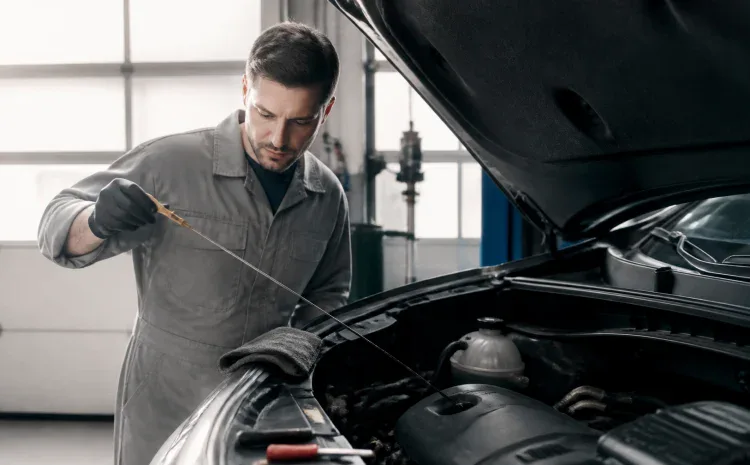
Before a remote trip, inspect fluids, belts, hoses, battery connections, tire condition, brakes, wheel bearings, steering components, and suspension hardware. Check that recovery points are secure and that every accessory is still mounted tightly after rough miles.
Routine service also gives you an opportunity to catch small issues before they become trail failures. Visit a trusted Western Montana 4×4 service shop that understands how added weight and off-road use affect your vehicle.
A reliable stock component is often more valuable than an untested upgrade. If a modification does not improve your vehicle’s performance, safety, or serviceability, think twice before bolting it on.
A simpler rig is not a lesser rig
The lighter-build movement is not about giving up adventure. It is about making smarter choices.
A well-designed rig can still have strong tires, useful clearance, dependable recovery capability, comfortable sleeping arrangements, practical storage, and reliable power. It can travel deep into the backcountry without carrying equipment that rarely gets used.
That balance makes the vehicle more enjoyable to drive, easier to maintain, and less expensive to repair. It also leaves room to learn. After a few trips, you will know which equipment earns its place and which items can stay at home.
The bottom line
In 2026, the best overlanding rig is not necessarily the biggest, tallest, or most expensive one. It is the rig that carries what you need, handles Montana terrain with confidence, and gives you a better chance of driving back under its own power.
Keep the build light. Choose modular gear. Protect the drivetrain. Maintain the electrical system. Carry recovery equipment. Above all, build for real trails: not just photographs.
Way Maker Offroad helps drivers in Western Montana create capable, dependable trucks and 4x4s with honest recommendations and quality workmanship. Whether you need overland accessories, drivetrain upgrades, electrical diagnostics, routine maintenance, or recovery support, contact Way Maker Offroad or call 406-350-6924 to discuss your next build.